Basic Information
| Field | Detail |
|---|---|
| Full name | Eugene Pleshette |
| Birth | January 7, 1914, Nassau County, New York |
| Death | September 11, 1991, Beverly Hills, California |
| Age at death | 77 |
| Heritage | Jewish, parents immigrated from Russia and Austria-Hungary |
| Occupation | Theater and television executive |
| Known for | Manager of the Brooklyn Paramount Theatre, ABC Television vice president, executive vice president of MSG-ABC Productions, executive vice president of Don Reid Productions, consultant to the Shubert Theatres |
| Spouse | Geraldine Rivers, also known as Geraldine Kaplan or Geraldine Kaplan Pleshette (died 1987) |
| Children | One daughter, Suzanne Pleshette (1937 to 2008) |
| Parents | Max Pleshet and Gertrude Sklarew |
| Burial | Hillside Memorial Park, Culver City, California, Garden of Abraham, Block 12, Space 7 |
Early Life and Family Roots
Eugene Pleshette was born in Nassau County, New York, on January 7, 1914, to a Jewish immigrant family whose tale reflected early 20th-century currents. His parents, Max Pleshet and Gertrude Sklarew, were Russian and Austrian-Hungarian, bringing with them the ambition and adaptation that marked many New York households. His childhood was near New York’s picture palaces and radio halls, which became cultural hubs. Little is known about his education, although his early theater career suggests a love of live performance.
Rising Through the Paramount Ranks
Pleshette started as a teenage usher at Manhattan’s Paramount Theatre, a big-band landmark. His time in the aisles was brief. From usher to stage, he learned curtain, cue, and audience choreography. By the 1930s, he possessed behind-the-scenes operations knowledge that made a venue hum. In a business where timing and temperament matter, Pleshette was reliable.
The Brooklyn Paramount and the Rock and Roll Wave
His theater management career peaked at the Brooklyn Paramount Theatre, a movie palace and famous music venue. Pleshette guided the move from big-band billings to early rock & roll. Pleshette’s office connected talent, promoters, and a growing audience, and the theater attracted young people. This change needs more than taste. Logistics, security, and a showman’s compass for crowd-drawing were needed. In the 1940s and 1950s, the Brooklyn Paramount helped transform American music. As radio, music, and television changed entertainment, Pleshette’s practical and strategic role kept the theater up to date.
From Paramount Theatres to ABC Television
Pleshette moved from spotlights to network television when Paramount Theatres partnered with ABC. As ABC TV’s vice president, he applied stage manager skills to broadcast schedules and national advertisers. Television show flow needs new tools but the same heartbeat. He learned to coordinate crews, talent, and technology across markets and time zones at ABC. He quantified the enchantment of a crowded house using ratings and reach.
Arena Spectacle at MSG-ABC Productions
Pleshette eventually became executive vice president of MSG-ABC Productions, which combined television storytelling with Madison Square Garden’s arena-scale spectacle. That work included coordinating live programs worldwide and producing ABC specials that reached millions. The shift from opulent theater to global arena was not just geographical. From dozens to hundreds of staff, thousands of seats to millions of screens, scale and tempo changed. With stadium lights, satellite feeds, and television trucks, he kept trains on schedule.
Don Reid Productions and the Power of Packaging
Pleshette was promoted to executive vice president of Don Reid Productions in the late 1960s, signaling his worth as a dealmaker and organizer. The entertainment industry relies on packaging, which combines venues, artists, and broadcasters into a cohesive whole. Pleshette’s career shown that he was a master in the delicate calculus. Whether it was a touring arena show or a broadcast special, his fingerprints were on the production schedule, not the marquee. He was a builder who favored blueprints over billboards.
California Years and Consulting Work
He eventually advised the Shubert Theatres in California and worked as an independent consultant. He is sought out for his institutional memory and operational clarity in these latter chapters. Born in cinema theaters and tested on network grids, Pleshette had an unusual blend of historical feel and modern tempo in a fast-aging sector. He quietly took charge until retirement, having observed every backstage mishap and understood how to prevent it.
Family Portrait and the Susan Question
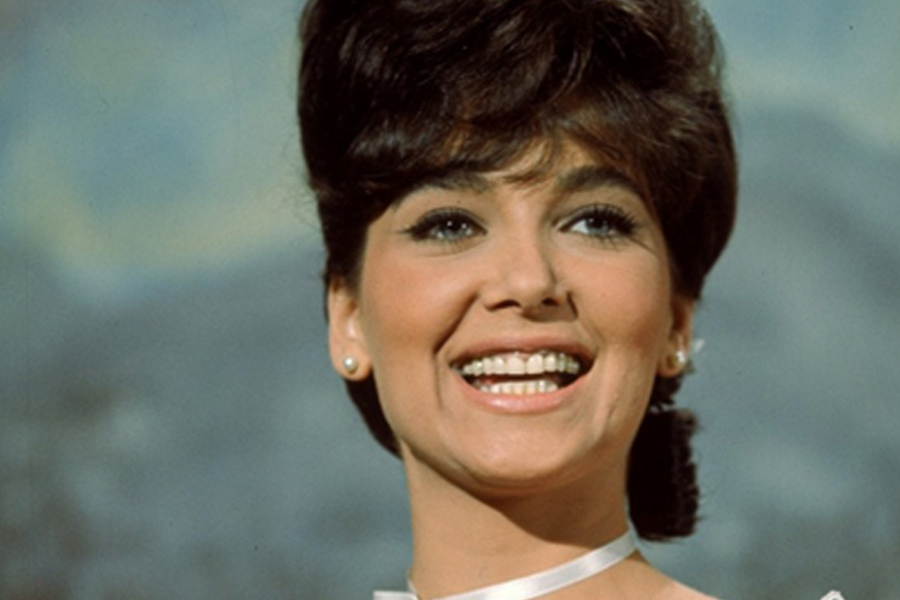
Eugene married dancer and artist Geraldine Rivers, sometimes known as Geraldine Kaplan or Geraldine Kaplan Pleshette. They raised Suzanne in Brooklyn, where she was born on January 31, 1937. Suzanne was famous for The Bob Newhart Show and The Birds throughout her theater, film, and television career. Eugene died in 1991 after Geraldine died in 1987.
Summaries occasionally include Susan, a daughter. Suzanne is the sole child listed in public records and biographical references. There is no record of a second daughter called Susan or any more offspring. Suzanne and a sibling whose name is rarely mentioned survived Eugene.
A Career Without a Spotlight
Pleshette’s name was rarely on posters or TV chyrons, but his infrastructure helped performers reach audiences. He coordinated stages, budgets, and timetables. He knew that the crowd’s first downbeat sound is intentional. It reflects careful planning, timely door openings, and rhythmic lighting. He helped make the program feasible by disappearing when things go well.
Timeline at a Glance
| Year or Date | Event |
|---|---|
| January 7, 1914 | Born in Nassau County, New York |
| 1930s | Begins as an usher, then stage roles, at the Paramount Theatre in Manhattan |
| January 31, 1937 | Birth of his daughter, Suzanne, in Brooklyn |
| 1940s to 1950s | Manager and stage manager at the Brooklyn Paramount Theatre, guiding its transition toward rock and roll programming |
| 1960s | Paramount Theatres merges with ABC; Pleshette serves as vice president at ABC Television |
| Late 1960s | Becomes executive vice president of MSG-ABC Productions, producing arena shows and ABC specials |
| 1967 | Moves to Don Reid Productions as executive vice president |
| 1970s to 1980s | Relocates to California; consultant for Shubert Theatres; independent consultant |
| 1987 | Death of his wife, Geraldine |
| September 11, 1991 | Dies in Beverly Hills, California; buried at Hillside Memorial Park |
Legacy and Remembrance
In Eugene Pleshette’s life, American entertainment went from velvet-curtained palaces to arena cathedrals and TV command centers. At the intersection of live performance and television, he ensured wires reached sockets and performers reached audiences. He is buried in Hillside Memorial Park in Culver City, fitting for a guy who powered Southern California’s studios and stages. He is remembered through his daughter Suzanne, who became a successful actress after inheriting his composure.
What We Do Not Know
Few facts are available regarding Pleshette’s finances, hobbies, or honors outside of industry recognition. Only an unnamed brother survived his death, and his siblings and extended family are unknown. The lack of celebrity buzz reflects his professionalism. He built, not branded.
FAQ
Who was Eugene Pleshette?
He was an American theater and television executive who rose from usher to high-level posts at ABC and MSG-ABC, shaping live shows and TV specials from the mid 20th century onward.
What was his role at the Brooklyn Paramount Theatre?
He managed and staged productions, guiding the venue from big-band revues into early rock and roll programming that drew massive crowds.
How was he connected to ABC and MSG?
After the Paramount Theatres merger with ABC, he became a vice president at ABC Television and later executive vice president at MSG-ABC Productions, overseeing arena shows and ABC specials.
Did Eugene Pleshette have more than one child?
No. Verified records show one child, actress Suzanne Pleshette, with no documented daughter named Susan.
Who was his spouse?
He married Geraldine Rivers, also known as Geraldine Kaplan, a dancer and artist; she died in 1987.
When and where was he born and when did he die?
He was born on January 7, 1914, in Nassau County, New York, and died on September 11, 1991, in Beverly Hills, California.
Where is he buried?
He is buried in Hillside Memorial Park in Culver City, California, Garden of Abraham, Block 12, Space 7.
What is known about his background and heritage?
He was Jewish, the son of immigrants from Russia and Austria-Hungary, and he kept much of his personal life private.