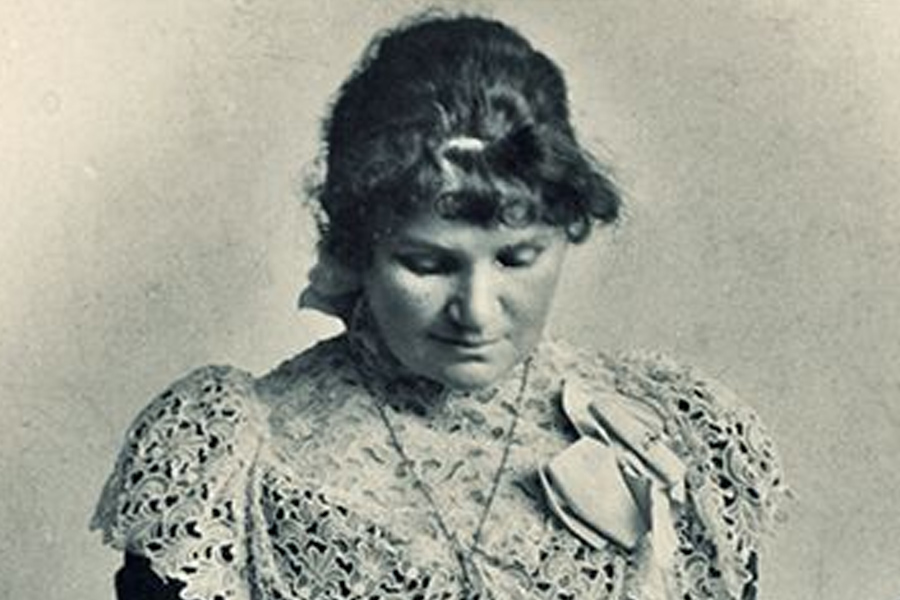
Basic Information
| Field | Details |
|---|---|
| Full name | Franziska Tiefenbrunn |
| Also known as | Franziska Fanny Göring née Tiefenbrunn |
| Birth | 21 April 1859, Munich, Kingdom of Bavaria |
| Death | 15 July 1923, Munich, Bavaria |
| Age at death | 64 |
| Burial | Waldfriedhof Großhadern, Munich, family plot dissolved in 2008 |
| Parents | Peter Paul Tiefenbrunn (1816 to 1872) and Elisabeth März (approx. 1826 to 1872) |
| Spouse | Dr. jur. Heinrich Ernst Göring, married 26 May 1884 or 1885 in London |
| Children | Karl Ernst (1885 to 1932), Olga Therese Sophie (1889 to 1969 or 1970), Paula Elisabeth Rosa (1890 to 1960), Hermann Wilhelm (1893 to 1946), Albert Günther (1895 to 1966) |
| Nationality | Bavarian, later German |
| Occupation | Homemaker, mother |
| Notable ties | Mother of Hermann Göring and Albert Göring |
Bavarian Origins and Early Loss
On April 21, 1859, in Munich, Bavaria, Franziska Tiefenbrunn was born. Her family was peasant and artisanal, rooted in local trades and parish life. Her parents, Peter Paul Tiefenbrunn, born 29 July 1816 in Ehenbichl, Tyrol, worked with their hands, and Elisabeth März, born around 1826. A tragedy struck early. Franziska lost her parents aged thirteen in 1872, a profound loss in a family-centered society.
Franz Michael Tiefenbrunn, a mason, and Anna Katharina Hengg were her paternal grandparents. Some genealogies suggest Fackler, but her mother is always Elisabeth März. Franziska’s education and early career are unknown. The documents are mute, but we can see a young woman formed by poverty and early bereavement.
Marriage into a Diplomatic Life
Franziska married Dr. jur. on 26 May 1884 or 1885. Herr Göring in London. Heinrich, born in 1838 or 1839, was a widower with four children and a career that took him far from Bavaria. He was a cavalry officer before entering diplomatic and colonial duty. Franziska’s marriage led to postings, paperwork, and polite society, as well as extended separations and dependency typical of diplomatic houses.
Their family took shape quickly:
- 1885: Karl Ernst was born in Rosenheim.
- 1889: Olga Therese Sophie was born in Walvis Bay, German South West Africa, during Heinrich’s colonial tenure.
- 1890: Paula Elisabeth Rosa was born in Rosenheim.
- 12 January 1893: Hermann Wilhelm was born in Rosenheim.
- 9 March 1895: Albert Günther was born in Berlin-Friedenau.
This itinerary reads like a passport stamped by empire: Rosenheim, Walvis Bay, Berlin. It also reveals strains in a family living at the mercy of transfers and pay scales.
The Epenstein Arrangement
Franziska dated Hermann von Epenstein, a Jewish knight who had converted and traveled in cosmopolitan circles, for many years in the 1890s, while Heinrich was overseas on business. It became patronage rather than a connection. Epenstein housed and supported Franziska’s five children as godfather.
Burg Veldenstein in Franconia and Burg Mauterndorf in Salzburg defined this arrangement. Castles were more than lovely backdrops. They provided security for a family that relied on irregular government payments. Epenstein’s extravagance shaped the domestic economy while children were nurtured under their high rafters. About 1912, the relationship terminated. Patronage ended, and stability did too. Heinrich died on December 7, 1913, leaving Franziska to manage widowhood with little money.
Mother to Five, Including Two Divergent Sons
Franziska is remembered for her sons Hermann and Albert, who shaped 20th-century history in different ways. Born in 1893, Nazi leader Hermann Göring led the Luftwaffe throughout World War II. Albert Göring, born in 1895, quietly defied the regime and assisted persecuted people, unlike his brother.
The three elder siblings lived more private lives:
- Karl Ernst Göring (1885 to 1932) died before the upheavals of the 1930s had fully unfolded.
- Olga Therese Sophie Göring (1889 to 1969 or 1970) and Paula Elisabeth Rosa Göring (1890 to 1960) remained largely outside public attention, their biographies mostly condensed to vital records.
Franziska’s motherhood was a long arc across continents and circumstances: from infant care in colonial Walvis Bay to adolescent years in German castles, to the turbulence triggered by the loss of patronage and the death of her spouse.
Later Years and Death
After Heinrich’s 1913 death, Franziska restricted herself to Munich. After 1912, widows in Germany faced financial difficulty, and the 1914 war exacerbated it. She died at 64 on July 15, 1923, and was buried in the Waldfriedhof Großhadern family burial in Munich. A simple administrative act dismantled the plot in 2008, showing that even stone memorials can be temporary.
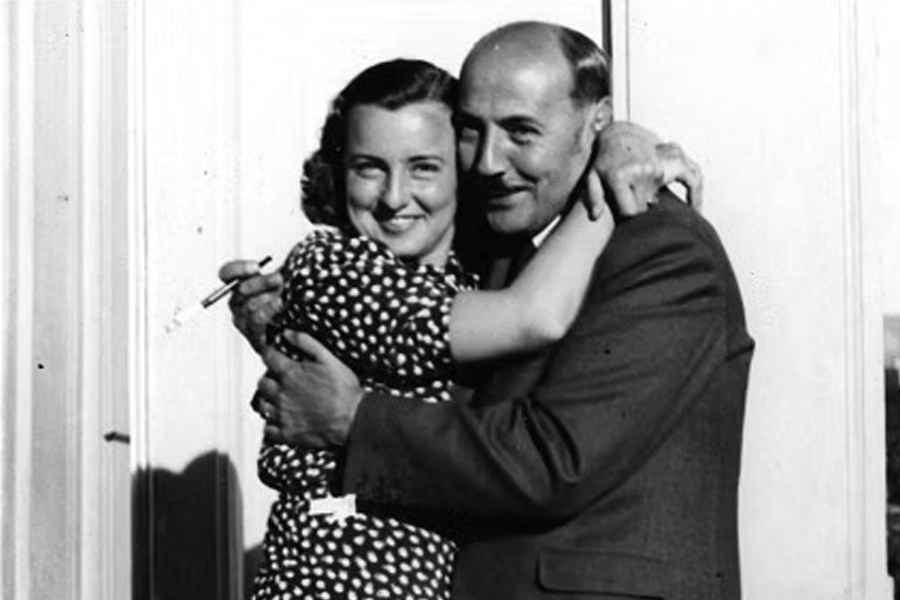
Family Tree Snapshot
| Relation | Name | Lifespan | Notes |
|---|---|---|---|
| Father | Peter Paul Tiefenbrunn | 1816 to 1872 | Born Ehenbichl, Tyrol; died Munich |
| Mother | Elisabeth März | approx. 1826 to 1872 | Records list surname März |
| Paternal grandfather | Franz Michael Tiefenbrunn | dates not specified | Mason |
| Paternal grandmother | Anna Katharina Hengg | dates not specified | Also appears as Katharina H. in records |
| Spouse | Dr. Heinrich Ernst Göring | 1838 or 1839 to 7 Dec 1913 | Cavalry officer, diplomat, colonial official |
| Patron-godfather | Hermann von Epenstein | dates not specified | Provided housing and support |
Children at a Glance
| Child | Birth | Place of birth | Death | Notes |
|---|---|---|---|---|
| Karl Ernst Göring | 1885 | Rosenheim | 1932 | Eldest son |
| Olga Therese Sophie Göring | 1889 | Walvis Bay | 1969 or 1970 | Lived a private life |
| Paula Elisabeth Rosa Göring | 1890 | Rosenheim | 1960 | Lived a private life |
| Hermann Wilhelm Göring | 12 Jan 1893 | Rosenheim | 1946 | Senior Nazi official |
| Albert Günther Göring | 9 Mar 1895 | Berlin-Friedenau | 1966 | Noted for aiding Jews and dissidents |
Residences and Milestones
| Year or span | Location | Context |
|---|---|---|
| 1859 | Munich | Franziska’s birth |
| 1872 | Munich | Deaths of both parents |
| 1884 or 1885 | London | Marriage to Heinrich Ernst Göring |
| 1885 to 1890 | Rosenheim | Births of Karl, Paula, and Hermann |
| 1889 | Walvis Bay | Birth of Olga during colonial service |
| 1895 | Berlin-Friedenau | Birth of Albert |
| 1890s to 1912 | Burg Veldenstein and Burg Mauterndorf | Housing and support via Hermann von Epenstein |
| 1913 | Munich | Death of Heinrich Ernst Göring |
| 1923 | Munich | Franziska’s death and burial |
Afterlife in Public Memory
Franziska never led a company, published, or held public office. The record shows her domestic, geographic, and familial footprint. Genealogies and children’s biographies recall her, notably her two youngest sons whose lives became conflicting parables. She is occasionally mentioned in historical discussions and family-tree forums in the 21st century, repeating her London marriage date, birth in colonial Walvis Bay, castle-supported household, and death in Munich before the worst of the century’s storms.
The stark truth remains that no diaries, letters, or professional records widen our view of her private voice. We read her life as if through frosted glass, seeing outlines and dates, hearing echoes rather than words.
FAQ
Who was Franziska Tiefenbrunn?
She was a Bavarian woman born in 1859 who became the second wife of diplomat Heinrich Ernst Göring and the mother of five children, including Hermann and Albert Göring.
When and where was she born and when did she die?
She was born on 21 April 1859 in Munich and died there on 15 July 1923.
Did Franziska have a career outside the home?
No occupation or professional achievements are recorded for her; she managed the household and raised her children.
Whom did she marry and where?
She married Dr. jur. Heinrich Ernst Göring in London on 26 May 1884 or 1885.
How many children did she have?
She had five children: Karl Ernst, Olga, Paula, Hermann, and Albert.
Where did the family live during her marriage?
They lived in Rosenheim and Berlin, spent time in Walvis Bay during colonial service, and later resided for years in Burg Veldenstein and Burg Mauterndorf.
What was her connection to Hermann von Epenstein?
He was a long-term patron and godfather to her children, with whom she maintained an extramarital relationship that provided housing and support until about 1912.
What happened after the patronage ended?
Financial support ceased around 1912, and the family experienced hardship, followed by Heinrich’s death in 1913.
Where is she buried?
She was buried in the family plot at Waldfriedhof Großhadern in Munich, which was dissolved in 2008.
Did she have siblings or an extended public family network?
No siblings are documented, and her public familial record centers on her parents, grandparents, spouse, and children.